




Top 10 Mie Sake We Recommend: An Expert's Guide
When you think of Mie Prefecture, delicious local specialties like seafood and premium branded beef probably come to mind, but the region also produces a wealth of wonderful sake. Zaku, Jikon, and Kankoubai—these sakes that are currently attracting global attention are also produced in Mie. Therefore, I, Yuichi Kondo, the "Sake Prince" who has tasted over 5,000 different kinds of sake, will introduce my top 10 recommended sakes from Mie Prefecture without any bias.
What are the characteristics of Mie Prefecture's sake?
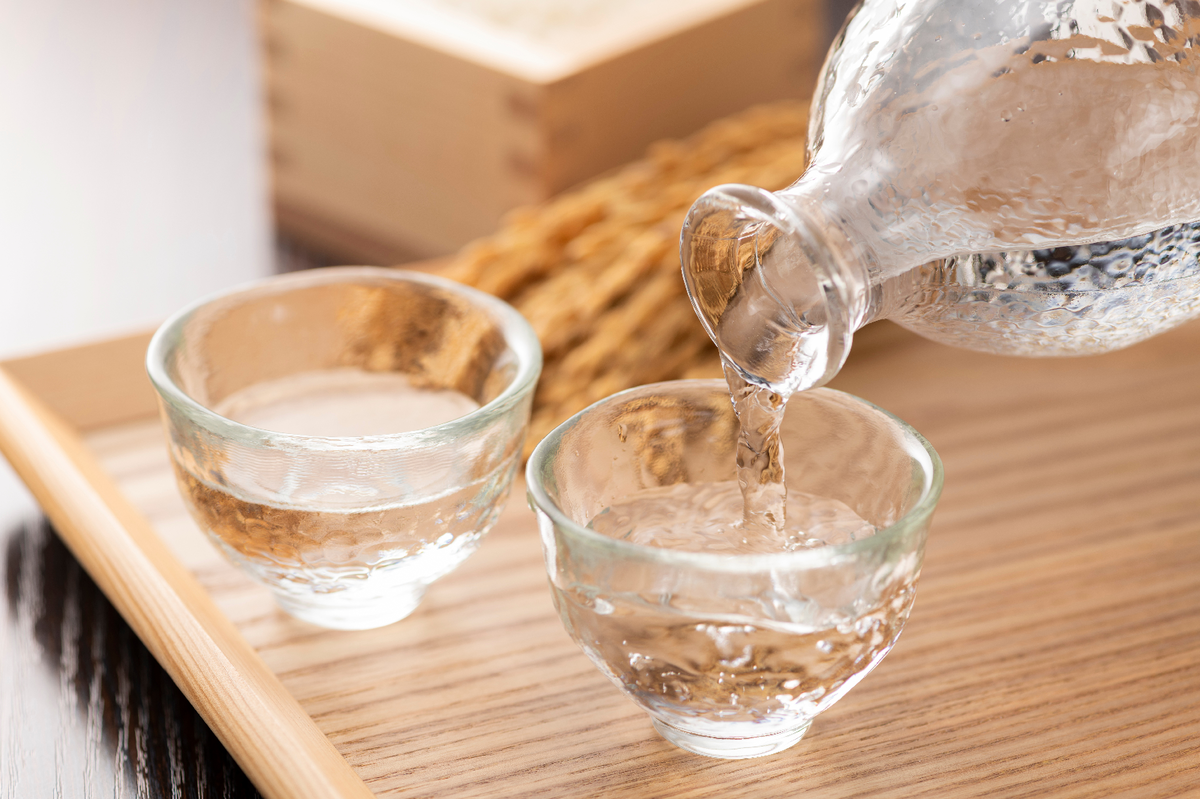
In a word, the defining characteristic of Mie's sake is diversity. Because Mie Prefecture is long from north to south, bordered by mountain ranges on the west and facing plains and the sea on the east, there are significant climate differences between regions. With varying food cultures across the prefecture, sake with a wide variety of flavor profiles has been created. Sake brewed inland often features a robust, full-bodied umami flavor that pairs easily with meat dishes and wild mountain vegetables. On the other hand, my impression is that sake brewed near the coast tends to be refreshing and crisp, making it highly suitable for fish and dishes with a strong dashi (broth) flavor.
10 Recommended Sakes from Mie Prefecture That You Absolutely Must Try!
Once again, I have impartially selected 10 bottles that I highly recommend you try. Please use this as a reference to enjoy the delicious sake of Mie.
1. Zaku KIZUI Junmai Daiginjo [Shimizu Seizaburo Shoten / Suzuka City]
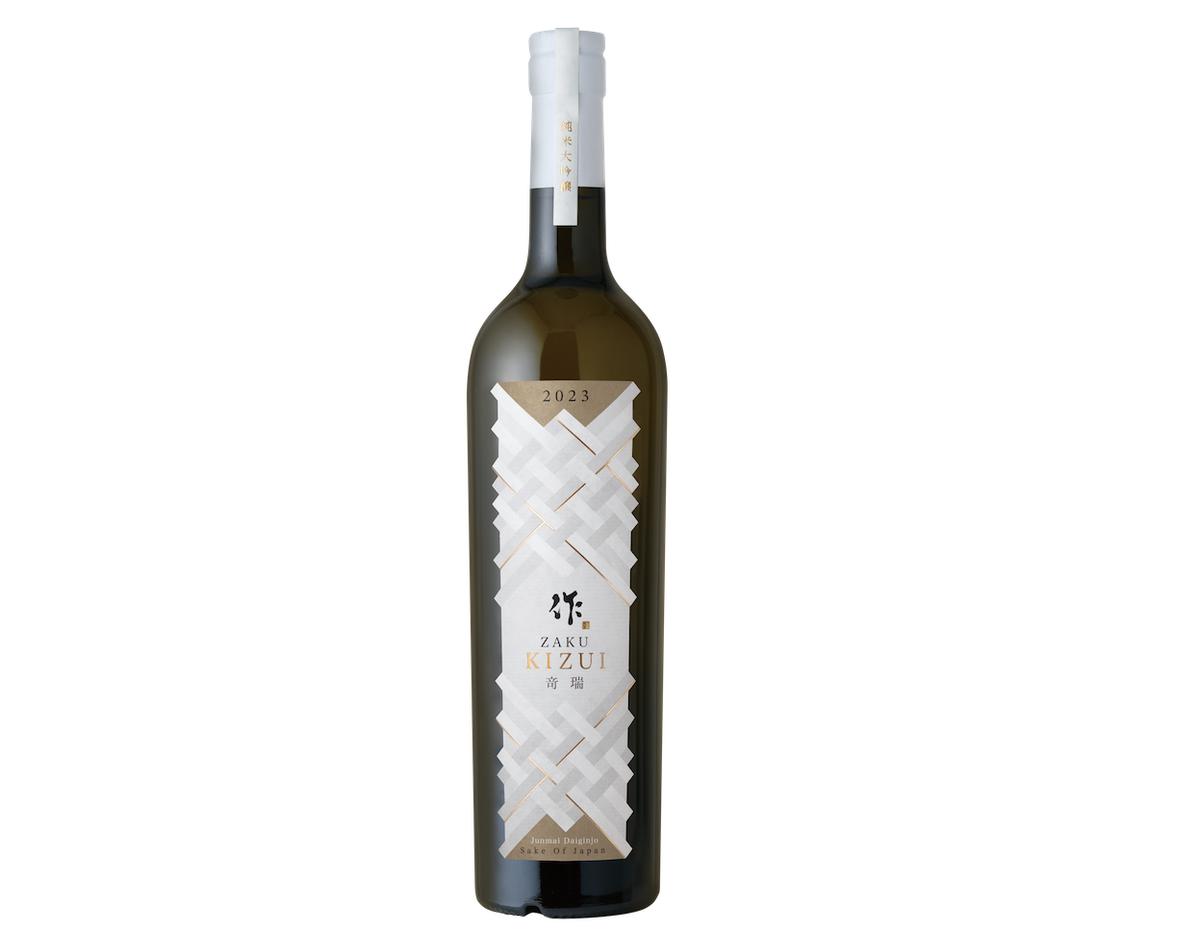
Chosen as the toast sake at the 2016 G7 Ise-Shima Summit, Shimizu Seizaburo Shoten instantly became a popular brewery. They continue to brew high-quality sake as the only remaining brewery in Suzuka City, an area once renowned for its flourishing sake production and famously referred to as "Umasake Suzuka-no-Kuni" (The Land of Delicious Sake, Suzuka). Among the many varieties of "Zaku," I would like to introduce the "KIZUI Junmai Daiginjo," which is made from Yamada Nishiki rice polished down to 30% and is characterized by its mild, melon-like ginjo aroma. "Kizui" signifies a good omen or a sign that something wonderful is about to happen. It can truly be said that this is the perfect sake for celebrating special occasions (hare-no-hi). Please enjoy it chilled to around 10°C, poured into a large wine glass, and paired with all kinds of appetizers—whether Japanese, Western, or Chinese—as well as fish dishes.
2. Kankoubai Junmai Ginjo Yamada Nishiki 55% [Kankoubai Shuzo / Tsu City]
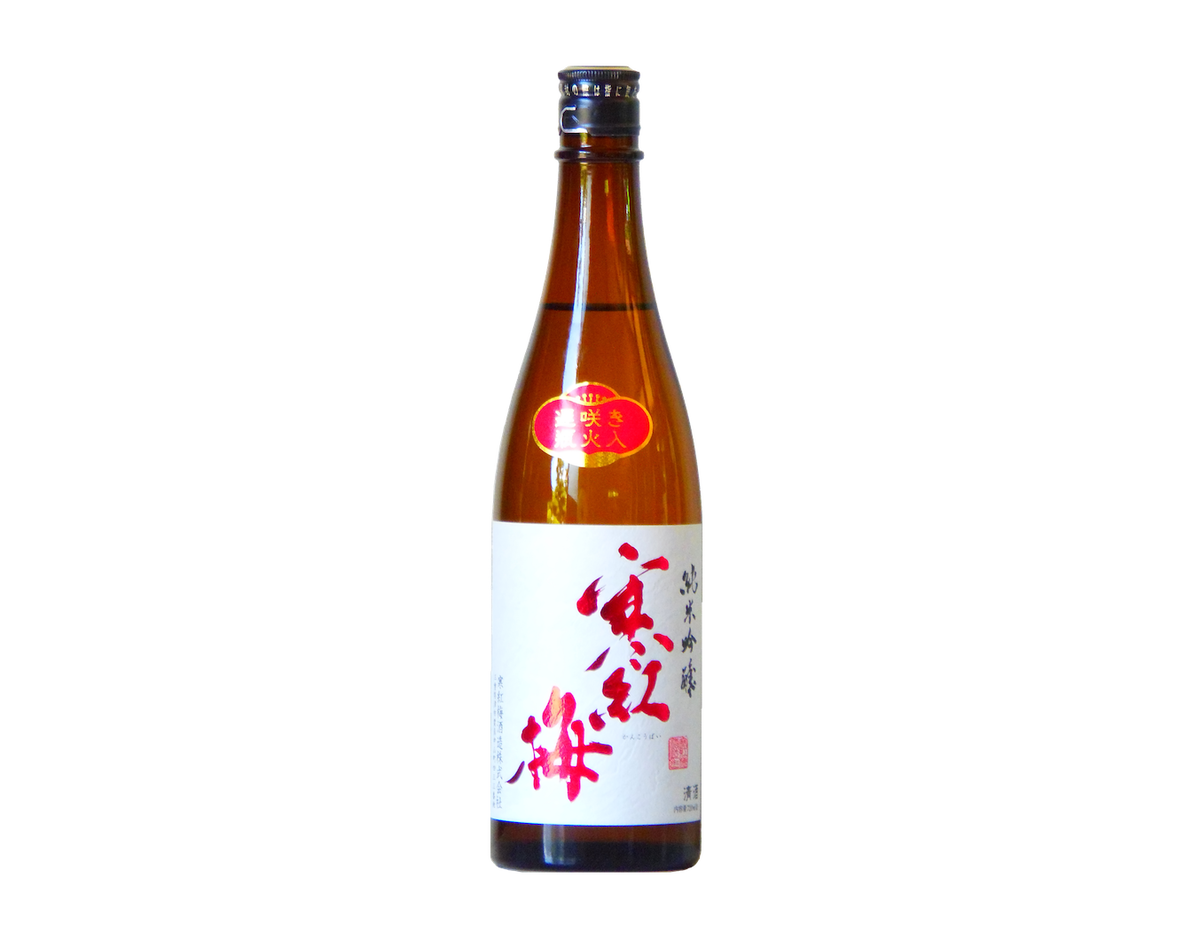
Kankoubai Shuzo in Tsu City was founded in 1854 (the first year of the Ansei era). Born from handmade family production, Kankoubai's flagship product, true to its name (which contains the character for plum), used to be umeshu (plum wine). However, in 2010, the current brewery head, Akihiro Masuda, received technical guidance from Keiichiro Katsuki—the former head brewer of "Azumaichi" who is revered as a mentor by numerous brewers nationwide—which caused their sake-brewing potential to suddenly blossom. With their popularity overseas growing year by year, the most standard and highly recommended bottle from Kankoubai Shuzo is this "Junmai Ginjo Yamada Nishiki 55%." It is a refreshing bottle offering the freshness of freshly picked green fruit and a vibrant, fizzy mouthfeel.
3. KINO 2 [Gensaka Shuzo / Odai Town, Taki District]
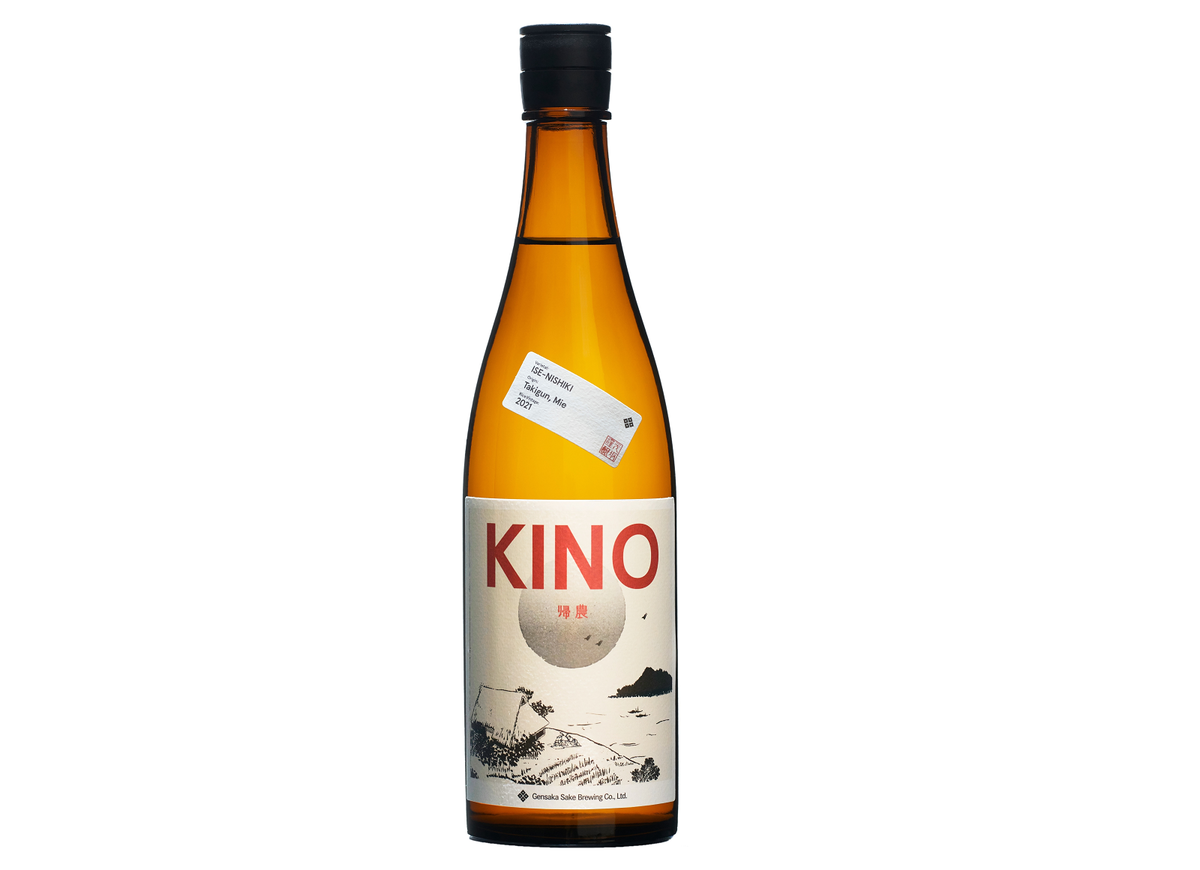
Gensaka Shuzo is known for reviving the cultivation of "Ise Nishiki," which is said to be Japan's oldest sake rice but had long ceased to be grown. The brewery has gradually acquired and expanded upon abandoned agricultural fields in the Yanagihara settlement. Today, their new brand "KINO" (meaning "return to farming"), which exclusively uses Ise Nishiki grown without pesticides or chemical fertilizers in their own fields, is drawing significant attention. It features a solid core of umami combined with a clean, fading finish (kire), making it a Junmai sake that is excellent served cold and even better served warm (okan).
4. Tenyurin Tokubetsu Junmai [Takahashi Shuzoten / Yokkaichi City]
Founded in 1862, Takahashi Shuzoten, the brewer of Tenyurin, is a brewery that has been making omiki (sacred sake) dedicated to the Ise Grand Shrine for over 70 years. The current brewery head and master brewer (toji), Mr. Takahashi, is a Kyoto University graduate. "Tenyurin," created through meticulous calculation and bold brewing techniques, is a unique food-pairing sake (shokuchushu) that layers complexity with a clean transparency. It pairs exceptionally well with seafood caught near Ise Bay, such as clams and Kuruma prawns, so please give it a try.
5. Jikon Junmai Ginjo Yamada Nishiki [Kiyasho Shuzo / Nabari City]
Created by Kiyasho Shuzo, a long-established brewery committed to careful handmade production that inherits traditional brewing methods from the Edo period, "Jikon" is a famous sake that regularly wins awards at events like the Annual Japan Sake Awards and SAKE COMPETITION. It is currently one of the most difficult sakes to obtain in Mie Prefecture. Jikon is pasteurized (hi-ire) to stop fermentation with exquisite timing using artisanal skill, allowing you to enjoy a fruity flavor with subdued acidity and pleasant sweetness while retaining a fresh, unpasteurized feel. While looking up to the highly popular brand "Juyondai" as an ideal for its glamorous and sweet profile, the brewery actively pursues its own unique flavor.
6. Hanzo & Ginpu [Ota Shuzo / Iga City]
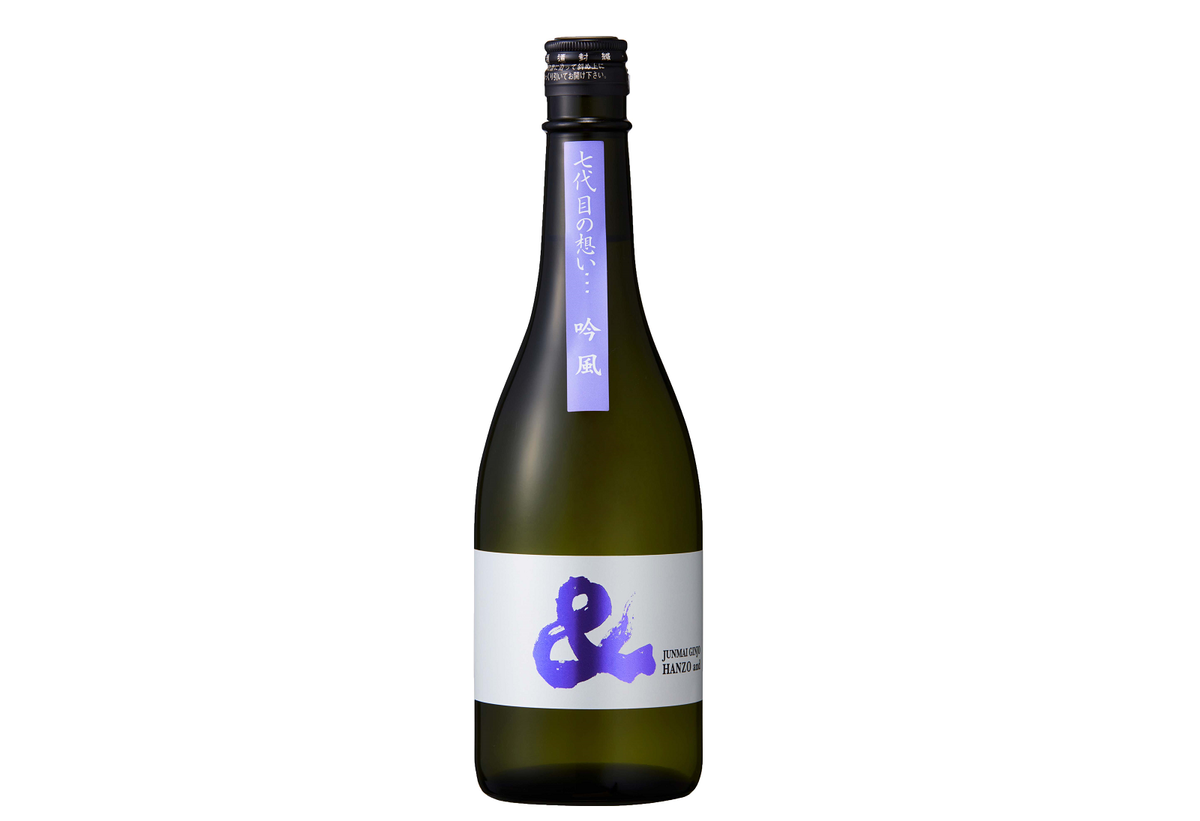
Ota Shuzo has repeatedly won awards in various competitions, including being selected as a toast sake at the 2016 G7 Ise-Shima Summit. In 2019, Mr. Ota became the youngest master brewer (toji) in Mie Prefecture at the time, and he serves as a presence breathing new life into the prefecture's sake brewing industry. While sake made with Ginpu rice from Hokkaido is typically characterized by a rich aroma, the unique refreshing quality of this Junmai Ginjo brought out by Toji Ota is a flavor you absolutely must taste at least once. It is a bottle where you can enjoy an apple-like aroma, gentle acidity, and a crisp body.
7. Hanabusa Tokubetsu Junmai [Moriki Shuzojo / Iga City]
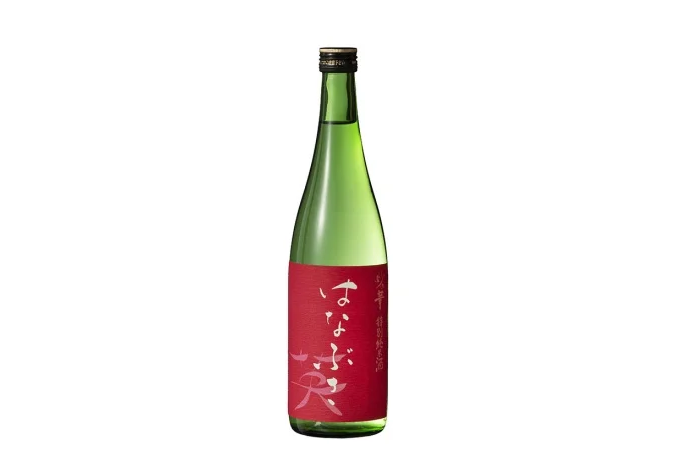
Moriki Shuzojo is famous for "Rumiko no Sake." Many people might be familiar with its label design by Akira Oze, the author of the manga Natsuko's Sake. Producing a small volume annually and brewing each bottle by hand using traditional methods with almost no modern equipment, the brewery's other flagship brand, "Hanabusa," is made using Yamada Nishiki rice grown without pesticides or chemical fertilizers. The brewery owner, Ms. Moriki, also cultivates the rice in their own fields alongside contracted local farmers. It is a classic style featuring a subdued aroma and flavor, with a sharp, clean finish accompanied by a slight astringency. Despite its lean body, it has a robust structure, giving a consistently crisp and unyielding impression.
8. Gizaemon Black Junmai Ginjo Mie Yamada Nishiki [Wakaebisu Shuzo / Iga City]
Founded in 1853, Wakaebisu Shuzo's flagship brand Gizaemon's "Black" edition is affectionately known by its nickname, "Gikuro." "Gizaemon" is a straightforward, classic Junmai Ginjo. The Black edition, in particular, is a limited distribution product characterized by the use of Mie Yamada Nishiki rice—revived by the 5th generation head, Hisaichi Shigeto, alongside dedicated local farmers—polished down to 60%. It features a melon-like aroma, substantial umami, and a sharp, clean finish.
9. Tabika Tokubetsu Junmai Omachi [Hayakawa Shuzo / Komono Town]
Hayakawa Shuzo was previously known for "Soshun," a sake made with standard table rice distributed exclusively locally. In 2009, the 4th generation head, Toshihito Hayakawa, released "Tabika," brewed using "Bizen Omachi" sake rice, which propelled the brewery to nationwide fame. It is also famously run by a team of just three brewers (kurabito). Using underground water from Mt. Shakagatake in the Suzuka Mountains for brewing, this particular "Tabika" features an aroma reminiscent of banana, pear, and muscat grapes, combined with the expansive umami of Omachi rice and an acidity that tightens the aftertaste.
10. Hayate Junmai Ginjo Kaminaho [Goto Shuzojo / Kuwana City]
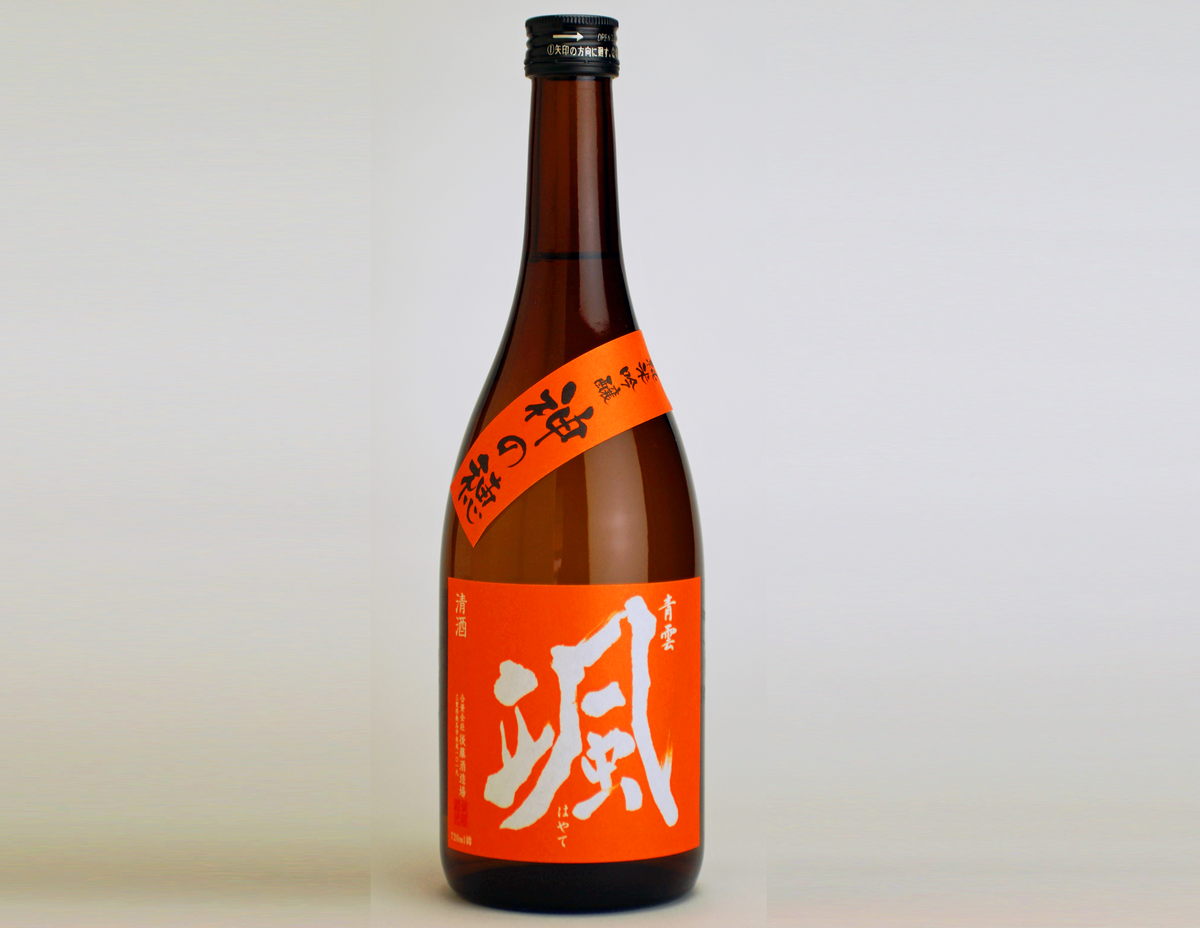
While "Hayate" is typically produced using single varieties of sake rice such as Mie-grown Yamada Nishiki or Gohyakumangoku, this time I selected a Junmai Ginjo made with "Kaminaho," a sake rice unique to Mie Prefecture. The Kaminaho Junmai Ginjo is characterized by its glamorous, lychee-like aroma and refreshing sweetness. Many of the Mie Prefecture brands introduced so far, such as "Zaku" and "Hanzo," produce sake made with "Kaminaho," so comparing these variations might be a fun endeavor to fully experience Mie's sake.
In Conclusion: Serving KIZUI at a Sake Pairing Event
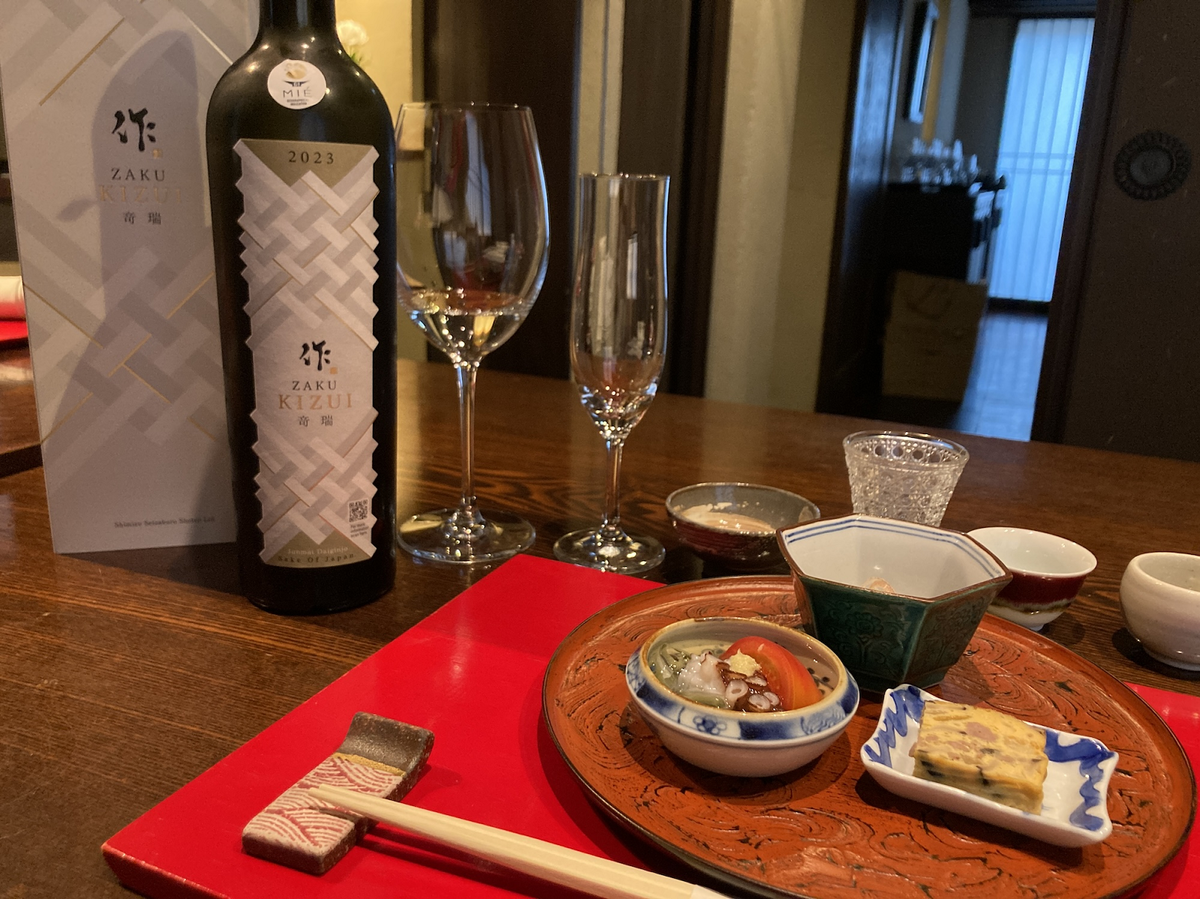
The image here shows a scene from my life's work: a sake food pairing event. The venue was Sanpi Ryoron in Ebisu, famously run by Master Kasahara. When I served "Zaku KIZUI," the first sake introduced in this article, paired with Master Kasahara's hassun (a seasonal appetizer assortment), I received the delightful compliment, "It's amazing how it can pair with so many different flavored dishes." I encourage everyone to enjoy it with your favorite dishes as well. Thank you once again for reading to the end.
関連記事